

New Research Shines a Light on Black Garlic's Anti-Ageing Potential
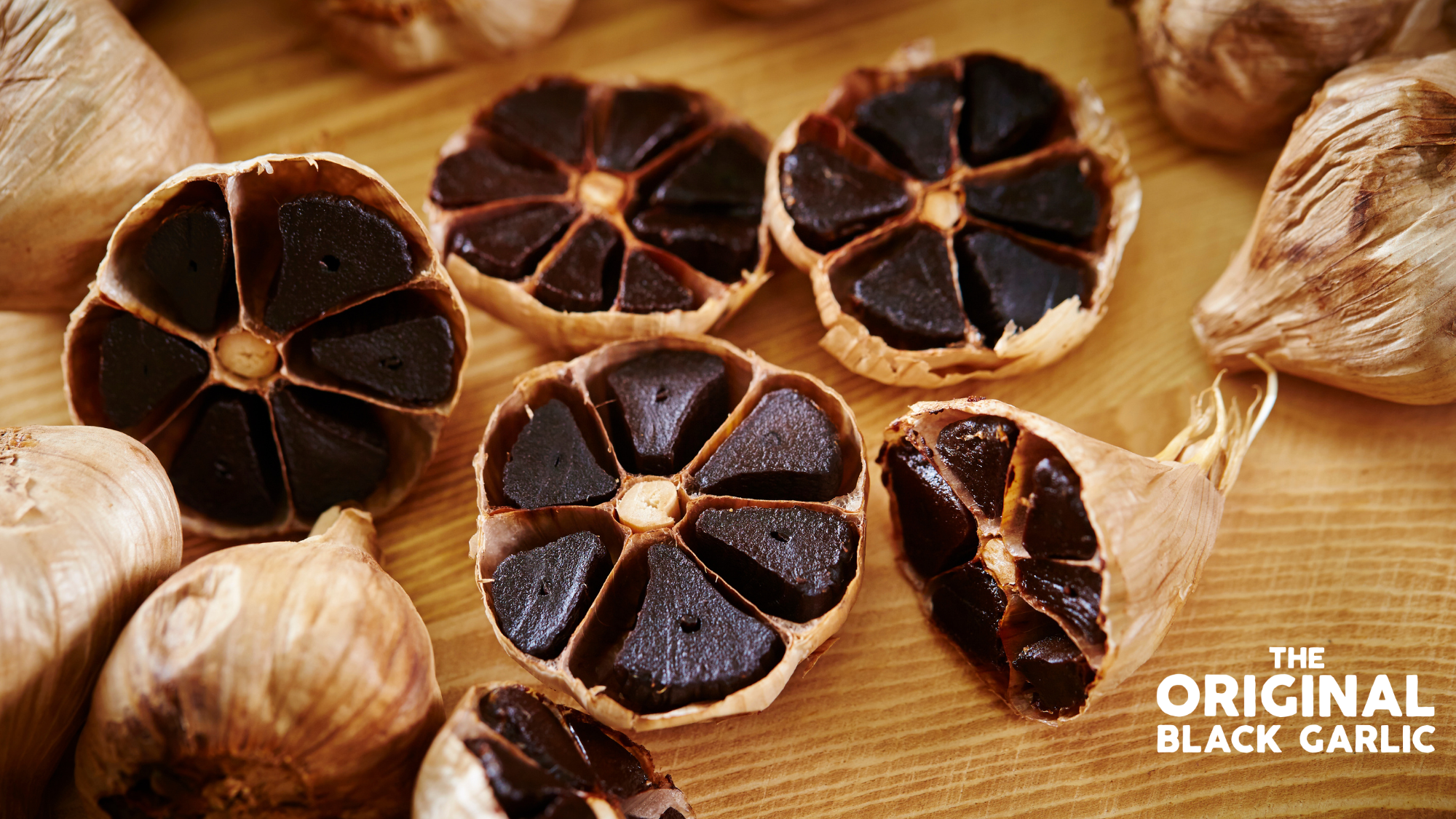
For centuries, garlic has had a reputation as something more than just a kitchen staple, as a natural remedy reached for across ancient Egypt, Greece, China and India to boost stamina and ward off illness. Black garlic, made by slowly ageing whole bulbs over several weeks, has always carried that same health-driven appeal, alongside its deep umami flavour and mellow sweetness. Now, a new piece of scientific research is giving one specific claim about aged garlic a much closer look: its possible role in supporting muscle health as we get older.
What the study actually found
A study published in the journal Cell Metabolism in May 2026, led by researchers at Japan's Institute for Research on Productive Ageing alongside Wakunaga Pharmaceutical, investigated a compound called S-1-propenyl-L-cysteine, or S1PC for short. S1PC is naturally present in aged garlic extract, and the research team wanted to understand exactly how it might influence the body as it ages.
What they found was a previously unrecognised communication pathway between fat tissue, the brain and skeletal muscle. In simple terms: S1PC appears to activate an enzyme called LKB1 in fat tissue, which in turn triggers the release of a protein called eNAMPT. That protein travels through the bloodstream to a region of the brain called the hypothalamus, where it seems to help preserve muscle strength and function.
In aged mice given S1PC over an eight-month period, the researchers observed increased muscle force, more stable body temperature regulation, and a meaningful drop in frailty scores across dozens of health markers. A related human trial, involving healthy adults given a single dose of S1PC, showed a rise in circulating eNAMPT — particularly among participants with healthy fat tissue levels. One of the study's senior authors noted that the team expects S1PC's anti-ageing effects to extend well beyond muscle, and that this is an area warranting further investigation.
Why this matters for muscle health
Muscle loss is a normal, if often overlooked, part of getting older. It tends to begin as early as our thirties, and by the age of 80 many of us will have lost around half of our muscle mass if we don't actively work to maintain it. That decline isn't just about strength in the gym, it's linked to a higher risk of falls, reduced independence, and other age-related health concerns, which is part of why resistance training is so widely recommended for older adults.
This research doesn't suggest black garlic is a replacement for exercise or a proven treatment for muscle loss, the findings are still early, and much of the strongest evidence so far comes from animal studies rather than large-scale human trials. But it does add credible, peer-reviewed weight to something aged garlic has long been associated with anecdotally: healthy ageing support.
A welcome addition to an already interesting ingredient
This isn't the only reason black garlic has been getting attention from researchers lately. Separate studies have also pointed to its antioxidant content which is several times higher than raw garlic thanks to the ageing process, along with its gentler effect on digestion, since much of the sulphurous compounds and FODMAPs found in raw garlic are broken down during ageing.
For us, none of this changes what we already know and love about black garlic: it's a genuinely delicious ingredient, whether stirred through a gravy, roasted alongside vegetables, or folded into a stuffing. But it's encouraging to see the wider scientific community taking a serious interest in what a slow, patient ageing process can unlock in a simple bulb of garlic and we'll definitely be keeping an eye on where this research goes next.
This article is intended for general interest and is not medical advice. If you have questions about your health, diet, or muscle function, please speak to a qualified healthcare professional.